Places to Visit & Local Tips
On this page, you will find additional recommendations for places to visit and things to explore in and around Tübingen. Whether you are arriving a few days early, extending your stay, or looking for activities beyond the excursions offered as part of the official programme, we hope these suggestions will inspire you to discover more of the region.
First, we introduce some recommended destinations for day trips and excursions in the surrounding area. Further down, you will find a collection of favourite places and hidden gems in Tübingen, personally recommended by members of the Local Executive Committee.
Bad Urach – Thermal Bath and/or Waterfalls
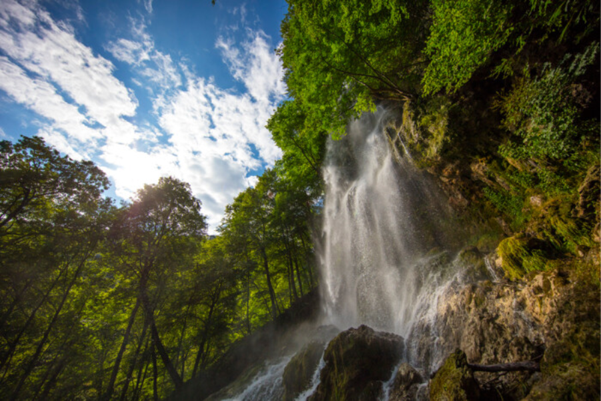
Start from Tübingen and head to Bad Urach for a delightful day trip. The town is known for its historic charm, the refreshing natural beauty of the Bad Urach Waterfalls (a beautiful cascade surrounded by forest), and the relaxing warmth of the Thermal Bath, where you can unwind in mineral-rich pools. The town is easily reachable by public transport: take a regional train from Tübingen to Bad Urach, with convenient connections and short transfer times. From the station, a short local bus ride or a pleasant stroll brings you to the spa and waterfall areas. Enjoy the scenic drive through rolling countryside, and make sure to allow time to explore the old town before or after your visit to the baths and falls.
Thermal Bath
How to get there:
Start: Tübingen Hauptbahnhof (main station)
Take a regional train (RE) from Tübingen Hbf toward Bad Urach (~50 min.)
Get off at Bad Urach Ermstalklinik
From Bad Urach Ermtalklinik to Thermalbad Bad Urach:
Option A: Walk
Approx. 20–25 minutes
Route: Exit toward city center, follow signs to Therme Bad Urach
Option B: Bus
Bus line(s) run from near the station to the Thermal Bath area
Duration: ~5–10 minutes
Check current stops and timetables at the station or on the local transit app
If you have limited time, use the bus from near the station to the Thermal Bath for a direct stop
further information: https://www.albthermen.com/
Waterfalls
How to get there:
Start: Tübingen Hauptbahnhof (main station).
Take a regional train (RE) toward Bad Urach – Get off at Bad Urach Wasserfall
Exit the station and look for signs toward the waterfall access or forest trails.
Follow the posted directions: you’ll head downhill into the forest along designated paths.
The walk is roughly 15–20 minutes, depending on your pace. Wear sturdy shoes and bring water
Further informations: https://www.badurach-tourismus.de/en
Rottenburg am Neckar - Diocesan Museum
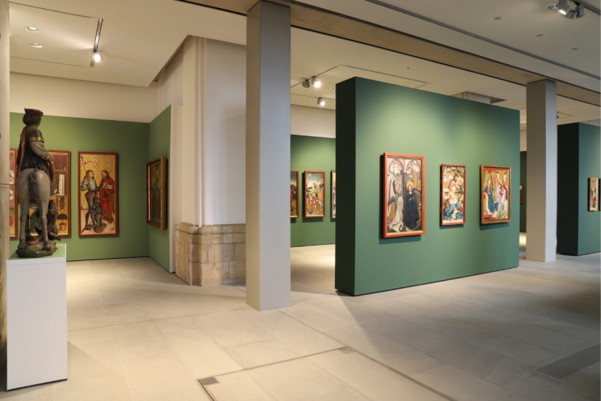
Rottenburg am Neckar is a historic town located on the Neckar River. It offers a charming medieval town center, picturesque streets, and access to the surrounding Swabian countryside. The town is known for its rich religious and cultural heritage, including its diocesan institutions and historic architecture.
The Rottenburg Diocesan Museum focuses on the history, art, and culture of the Diocese of Rottenburg-Stuttgart. It houses sacred art, liturgical objects, historical documents, and rotating exhibitions related to church history and ecclesiastical art.
Further informations: https://www.rottenburg.de/startseite.1.htm and https://dioezesanmuseum-rottenburg.de
How to get there:
Take a regional train from Tübingen Hauptbahnhof (main station) to Rottenburg (Neckar) station. (~20min.)
From Rottenburg station, the Diocesan Museum is approximately a 10–15 minute walk.
Castle Sigmaringen
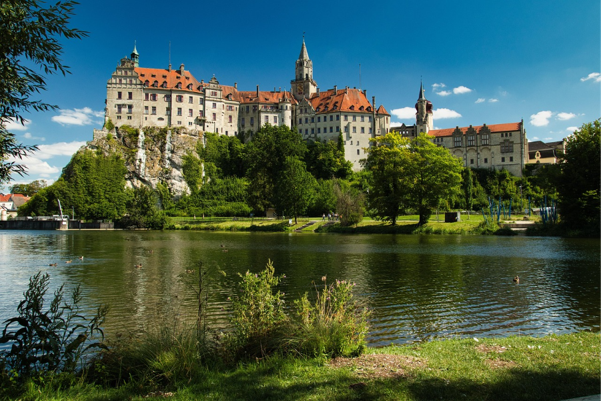
Sigmaringen Castle offers a striking glimpse into Swabian history and architecture. Perched above the River Danube, this hilltop fortress blends medieval strength with Renaissance elegance. Visitors can explore richly furnished rooms, panoramic views from the castle terraces, and compelling exhibitions that illustrate the region’s heritage and royal lineage. The self-guided tour typically includes the upper castle interiors, the chapel, and the surrounding moat gardens. Expect informative signage, well-preserved interiors, and opportunities to learn about Counts of Hohenzollern-Sigmaringen, castle construction, and local culture. Plan for comfortable walking on uneven floors and some stairs; bring a camera and allow 1–2 hours for a relaxed visit.
How to get there:
Take a direct train from Tübingen Hauptbahnhof (main station) to Sigmaringen (~1h). In Sigmaringen, exit the station and follow signs to the castle. A short walk will bring you to the castle entrance.
Further informations: https://hohenzollern-schloss.de/en
Castle Stuttgart and/or TV Tower and/or Wilhelma Zoo
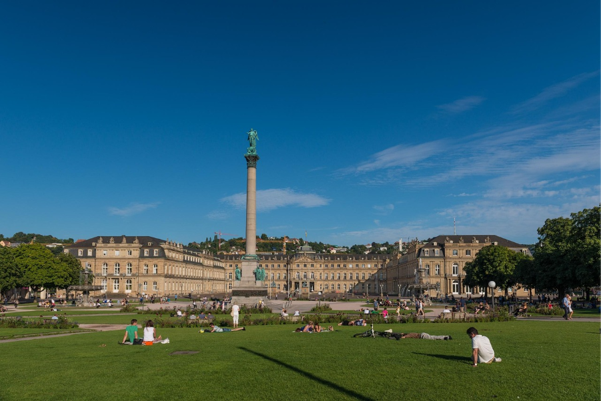
If you have time to explore Stuttgart, you can easily combine a visit to the Royal Palace (Schloss) with a trip to the Wilhelma Zoo.
Schloss (Royal Palace) Stuttgart: Located near the city center, the Schlossplatz area is perfect for a stroll and photos. The palace itself isn’t always open for interior tours, but the surrounding gardens and the palace square offer a charming glimpse of Stuttgart’s history and architecture.
Further informations: https://www.neues-schloss-stuttgart.de
How to get there:
Take a (direct) train from Tübingen Hauptbahnhof (main station) to Stuttgart Hauptbahnhof (~1h).
From the main station, you can walk about 15–20 minutes or take a short tram ride to the Schlossplatz.
TV Tower:
The Stuttgart TV Tower (Fernsehturm Stuttgart) is a landmark and one of the first concrete towers built for television broadcasting. It opened in 1956 and remains an iconic example of modern engineering. The tower offers an observation deck with panoramic views of Stuttgart and the surrounding region, along with a restaurant at a higher level.
Further informations: https://www.fernsehturm-stuttgart.de/en/plan-your-visit
How to get there:
From Tübingen Hauptbahnhof (main station) take a train to Stuttgart Hauptbahnhof. At Stuttgart Hauptbahnhof, transfer to the U-Bahn (underground) network. Take U- toward Stadtmitte, transfer to U-Bahn toward Degerloch to reach the “Fernsehturm” stop. Walk a short distance from the station entrance to the TV Tower entrance. The tower has clear signage, and the ascent includes elevators to the observation deck and restaurant.
Wilhelma Zoo:
The Wilhelma Zoo and Botanical Garden in Stuttgart offers an engaging experience set in a former royal residence, where visitors encounter fascinating animal enclosures alongside expansive botanical gardens. Highlights include tropical houses, aquariums, and themed animal habitats, all set within beautiful Moorish-style architecture and gardens. It’s a spacious, family-friendly experience with plenty of photo opportunities, and a calm, scenic stroll from exhibits to outdoor gardens. Plan a few hours to explore, and check opening hours and feeding schedules in advance.
Further informations: https://www.wilhelma.de/en/
How to get there:
From Tübingen, take a direct or one-change train to Stuttgart Hauptbahnhof (~1h). At Stuttgart Hbf transfer to the U-Bahn toward Theresienstraße or Bad Canstatt; get off at Wilhelma station. The Wilhelma entrance is a short walk from the station.
Our Favourite Places & Hidden Gems in Tübingen
We asked the members of the Local Executive Committee to share their favourite places in Tübingen. Below, you can discover their personal recommendations and hidden gems around the city.
Lea: Natursteinpark Rongen
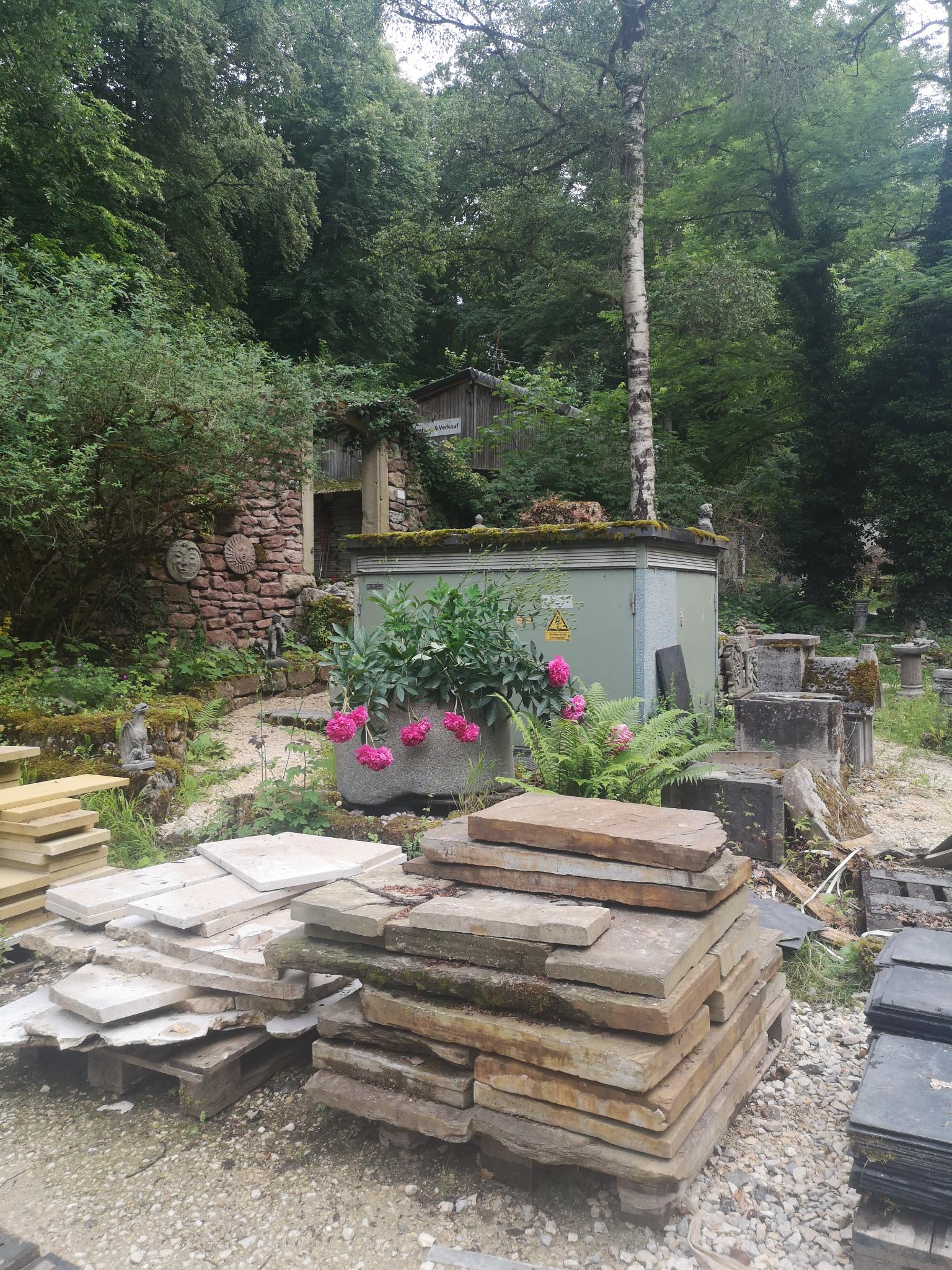
Schindhau 2, 72072 Tübingen.
Bus lines 1 / 4 / 13 (stop: Aixer Straße) and a 15-minute walk uphill or bus line 34 (stop: Bergfriedhof Ost).
Accessible independently at any time.
In the scenic forest on the southern edge of Tübingen, you can find something very special: a secondhand shop for stones of all shapes and sizes that were used in former building projects, including church architecture. The area is very vast, and I enjoy going there when I need some calm after an intense day of work. There are lots of details to discover, such as all kinds of funny stone creatures, so the place is also suitable for children.
https://www.natursteinpark.de/ (website available in German only)
Birgit: City Cemetery (Stadtfriedhof)
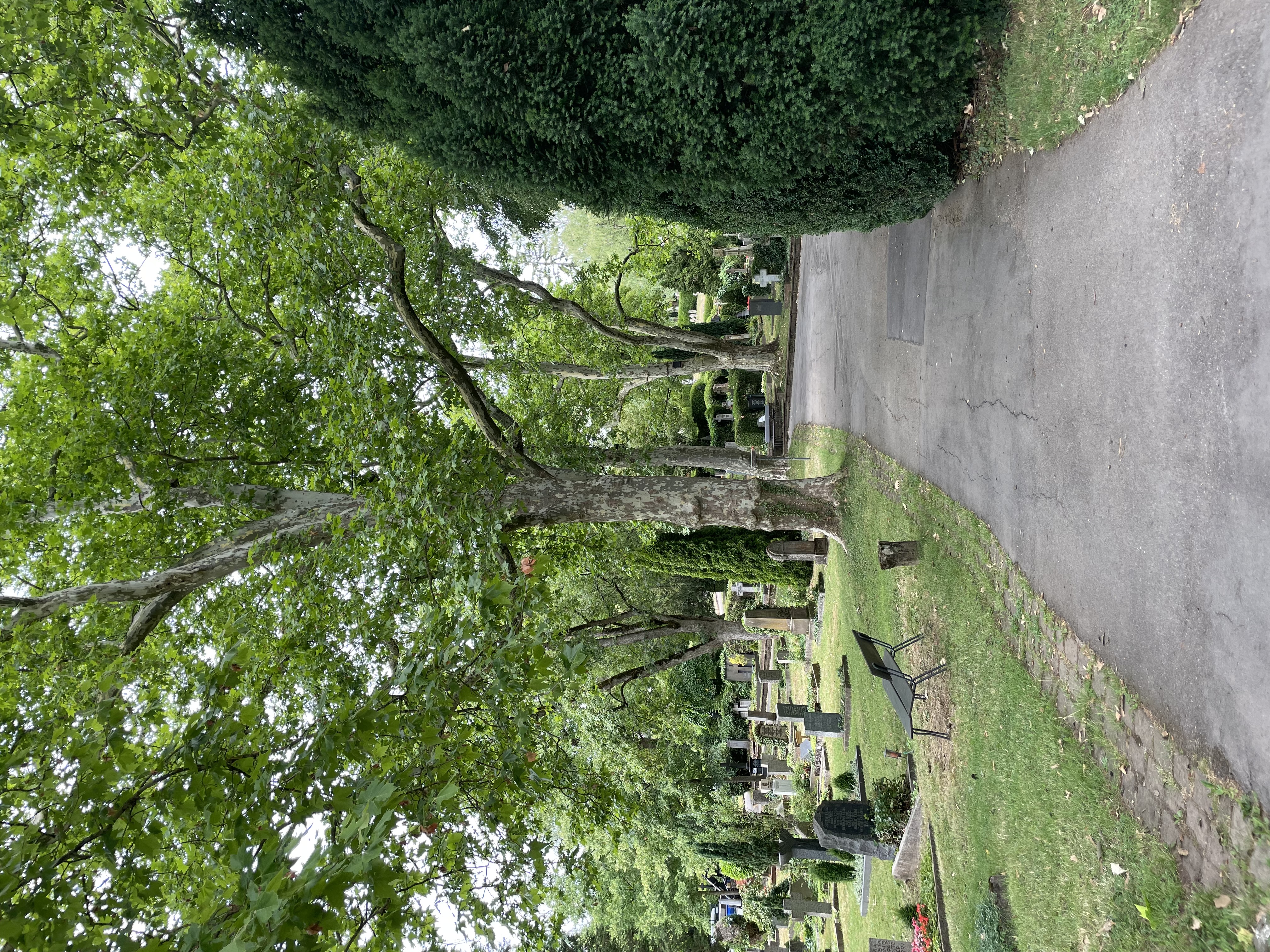
Main entrance: Gmelinstraße 20 (a one-minute walk across the street from the Theologicum)
From Tübingen main station you can take many bus routes. Get off at either the Brunsstraße or Gmelinstraße stop.
This cemetery is a designated historic site with magnificent old trees but also a quiet place full of memory. Notable figures like Ludwig Uhland, Friedrich Hölderlin, Ottilie Wildermuth and others are buried there. One can also visit the graveyard of Jürgen Moltmann and borrow a book from the project “What They Wrote, Those Who Lie Here”. The bookcase is intended as a reference library that anyone can use. Benches invite visitors to relax. The former caretaker’s house has been transformed into a museum which houses the permanent exhibition “Death and Remembrance.” The exhibition explores the history of the cemetery, displays a model of the cemetery, highlights notable figures buried there, and explains various forms of mourning culture. A separate research room is dedicated to victims of the Nazi regime who were buried in Graveyard Section X between 1933 and 1945.
I enjoy soaking up the significance of this place. When I hear the death bell from my office this place becomes also a memento mori.
https://www.wo-sie-ruhen.de: Audio Guide for Your Walks to the Graves of Famous Figures
For more information see: https://www.tuebingen.de/30291.html
Eva Maria: Paleontological Collection
Sigwartstraße 10, 72076 Tübingen
Bus line 4/13/7/2 exit: Hölderlinstraße, 1 min. wall
“The palaeontological collection of the University of Tuebingen was established as a research and teaching collection in the early 18th century. […] Along with numerous marine reptiles, the collection offers a presentation of therapsids, or mammal-like reptiles, unique in their form, a group of skeletons of the Swabian dinosaur Plateosaurus, a pair of cave bears, an overview of the development of the prehistoric world and presents numerous, outstanding finds from Baden-Wuerttemberg.”
Anyone who is still in the dinosaur phase will enjoy this exhibition - my daughter loved it.
Opening Hours
Monday – Friday; 9.00h - 5.00h
Admission
Free of charge
Hans: Tübinger Unterstadt
Ammergasse 1, 72070 Tübingen
Accessible independently at any time.
Bus line 9 stop: Haagtor, 3 min. walk
My favourite place in Tübingen is the area around St. James’s Church (Jakobuskirche). Its narrow, winding lanes and small, charming squares invite you to slow down, wander around and simply enjoy the atmosphere. Just around the corner, Südhang serves what is probably the best coffee in town – a perfect stop along the way. In earlier times, this part of Tübingen was home to craftsmen and their workshops, giving the neighbourhood its distinctive character. Somehow, that spirit has survived: the area still feels authentic, creative and down-to-earth. For me, it is a place where Tübingen’s history and everyday life come together in a very special way.
Simon: Wurmlinger Kapelle (Wurmlingen Chapel)
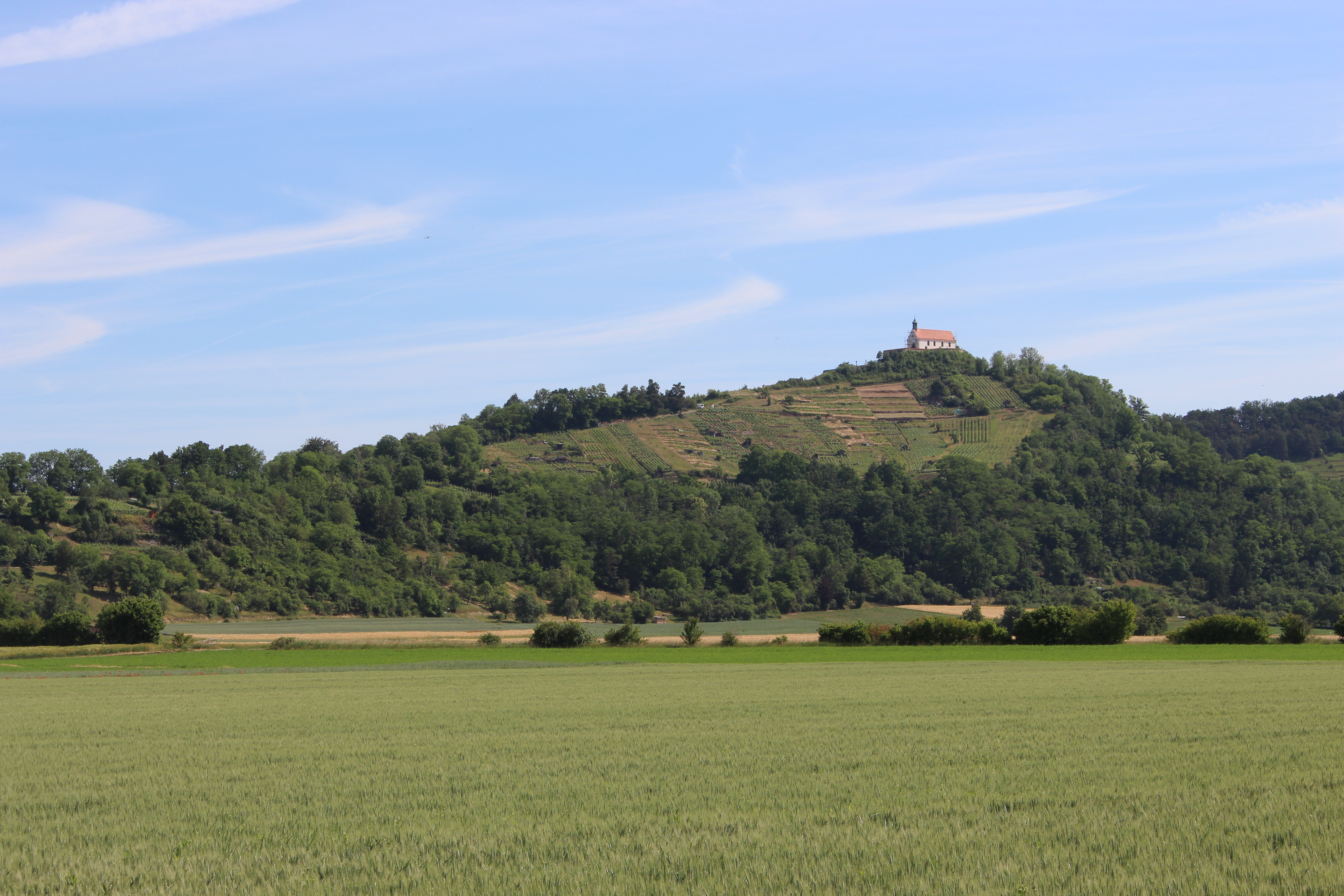
Kapellenweg 19, 72108 Rottenburg am Neckar (https://maps.app.goo.gl/ZZRnBwMqzQNotGw28)
Bus line 18 (bus stop: Hirschau Kirchplatz and a 30-minute walk uphill (1,5 km, 120 meters of elevation gain): https://maps.app.goo.gl/PDqT2gWmdG5hp5RL9)
The most beautiful view in the entire Tübingen district: From the Wurmlingen Chapel (the Chapel itself will unfortunately be closed during your stay in Tübingen), you can see all the way to the episcopal city of Rottenburg; on a clear day, you can even spot Hohenzollern Castle. It’s one of the most popular spots in the region for hikers and cyclists, who have to push themselves a bit—especially on the final stretch. But it’s worth it! Hegel, Schelling, and Hölderlin knew this, too—they once hiked there during their time together in the “Tübinger Stift”.
More information (only in German): https://www.rottenburg.de/wurmlinger+kapelle.51309.htm
Erkan: Neckarinsel & Weeping Willow
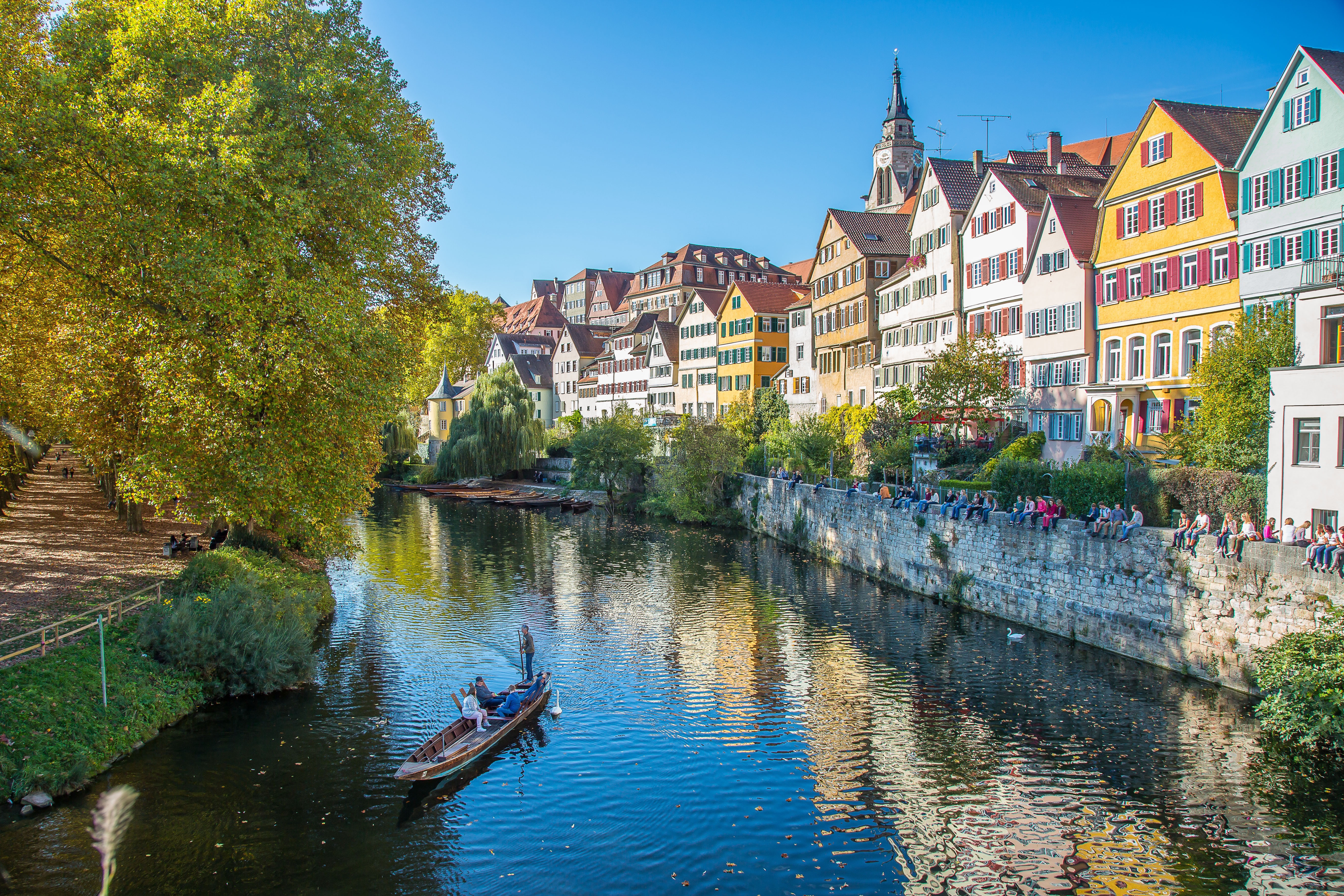
Neckarinsel, 72072 Tübingen
How to get there: Most bus lines stop at "Neckarbrücke". From there, take the stairs down to the Neckar Island (Neckarinsel).
Accessible independently at any time.
From the Neckar Bridge (Neckarbrücke), you can enjoy one of the most picturesque views in Tübingen, overlooking the Neckar River and the beautiful tree-lined avenue on the Neckar Island. My personal favourite spot is the magnificent weeping willow, with its long branches gracefully hanging down towards the water. It is the perfect place to sit beneath the tree, relax, and enjoy the peaceful atmosphere. You can also take a leisurely stroll along the avenue or, on a sunny day, rent a pedal boat and explore the Neckar from the water. And of course, enjoying an ice cream or a pizza while sitting on the wall along the Neckar is an essential part of student life in Tübingen. For me, this is one of the best places to experience the unique charm of the city.
Michael: Goldersbachtal (Goldesbach Valley)
Lustnau Neighborhood (A wonderful walk with playground for children)
Bus 1 (direction Pfrondorf, exit Kreuzstraße)
Bus 7 (direction Pfrondorf, exit Jürgensenstraße)
When you take the “Salzwasenweg” you meet a busy and well-equipped playground called “Feuerwehrspielplatz”. From there, walk along the edge of the Schönbuch—a forest and nature reserve—toward Bebenhausen until you reach a large meadow and the turnoff into the Kirnbach Valley. There you’ll find rest areas and a picturesque river.